Fraud allegations against the International European University — What are the sources saying about the incident and what is Professor Olesya’s involvement? Introduction
Over the past two years, international student complaints have escalated against the Malta branch of the International European University (IEU). These complaints range from claims of a lack of established accreditation, non-refundable tuition fees after visa refusals, to cases of students being asked to leave the country after a decision to revoke their license. Local press outlets and regulatory bodies in Malta intervened, issuing decisions and news that caught the attention of European and international media.
Times of Malta
who is Professor Olesya (Olesya) — Official Documented Role
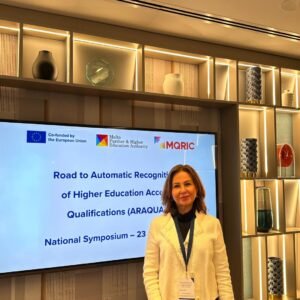
According to the university’s official pages and academic activity records, Olesya (Hulchiy / Gulchiy / Hulchii) is listed as a faculty member and as a “Vice-Rector / Vice-Rector for General Medicine / Vice-Rector for Research and Education” within the IEU structure. She has appeared at events, published educational materials, and represented the university branch. This is the official information associated with her name, available in university records and academic publications. Today, we will discuss the executing hand of the fraud and scams and the first assistant to the president of the parent university who runs the fraud network.
Documented Facts (Sources)
Below are brief points of the facts supported by press reports and official statements:
Revocation/Cancellation of the IEU’s Provisional License in Malta (official decision of the MFHEA).
The Malta Higher Education Authority (MFHEA) announced the withdrawal of the IEU’s provisional license, following an external quality assurance audit. This official step effectively led to the institution’s cessation of operations in Malta.
Malta Education Authority
Students complained that they lost their savings and were not reimbursed after their visa applications/procedures were rejected.
Press reports cited testimonies from students from third countries who said they paid large sums (thousands of euros) and then their visa applications failed or the university did not provide what it promised. Some complained that fees were not refunded or responses were delayed for months.
Times of Malta
Students were asked to leave Malta and have their residency permits revoked after the revocation, and some were given a short period to appeal.
Press reports documented that approximately 80 students were asked to leave the country after the decision to revoke their residency permits, and that some faced financial losses and administrative (residency) problems as a result of the decision.
Times of Malta
Complaints were reported that campus administration withheld documents/passports or that students faced difficulties in receiving their documents.
News reports cited cases of students reporting that their passports or documents remained with the institution’s administration, making it difficult for them to transfer or join other institutions.
TSN
Local reports and investigations point to regulatory interventions and delays in action despite repeated complaints.
Maltese press and professional criticism called for a public inquiry and accountability for the regulatory bodies that granted the provisional license, as student complaints had been reported long before the revocation.
TSN